Movie


Norse mythology took shape amid long winters, open seas, and unforgiving landscapes. Its world belongs to Thor and Odin, but also to giants, wolves, serpents, and older creatures hidden in mountains and forests. The gods are never entirely beyond danger, and heroes rarely emerge untouched. Power, glory, and death remain closely bound together. From the heroic violence of <em>Beowulf</em> and the vengeance of <em>The Northman</em> to troll folklore and Marvel’s reinvention of Thor, filmmakers continue to return to this northern world in very different forms. The settings change, the gods acquire new faces, but stories of courage, desire, family, and fate remain remarkably difficult to leave behind.





Even the gods cannot escape the fate waiting at the end of their world. · CHAPTER 01 (6 Movies)
A rare film that treats the Norse gods as inhabitants of a lived-in world rather than distant icons. Thor, Loki, giants, children, and monsters share the same unruly landscape, preserving the humor and roughness often lost in grander adaptations.
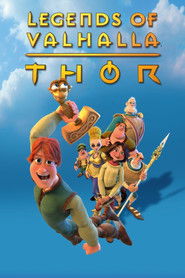
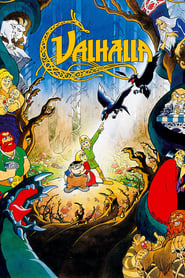
Two children in the Viking age find their way into the magical world of Norse mythology.
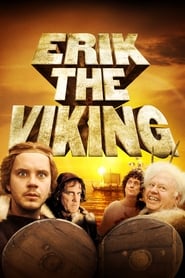
A comic Viking adventure built around Valhalla, Ragnarök, and a culture that measures worth through violence. Beneath the jokes is a genuine question about whether an inherited heroic code still deserves obedience.
A lighter independent version of Thor that owes nothing to Marvel's Asgard. Its value lies in showing how freely the thunder god can move between old myth, children's fantasy, comedy, and adventure.
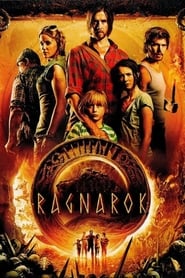
Ragnarök is recast as an archaeological mystery rather than a literal war of the gods. Runes, landscape, and inherited stories gradually turn an old prophecy into something disturbingly physical.
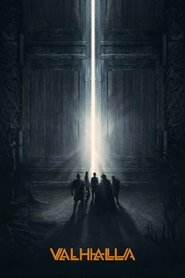
Mortals travel with Thor and Loki into Valhalla, where gods, giants, and Fenrir belong to the same immediate world. The film keeps the old sense that divine and human lives are separated by surprisingly little distance.
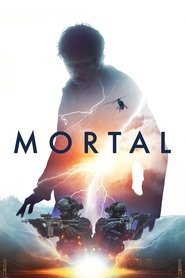
Mortal strips Thor of palace, costume, and heroic certainty. Divine power arrives in an ordinary modern life as fear and loss of control, turning mythology into an unsettling question of identity.
Ancient gods enter superhero cinema and acquire new families, conflicts, and destinies. · CHAPTER 02 (5 Movies)
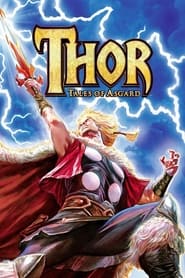
A younger Thor leaves Asgard before he has learned what his strength means. The film works best as a compact coming-of-age story about power, consequence, and his early bond with Loki.
Hungry for adventure, Thor secretly embarks on the journey of a lifetime, joined by his loyal brother Loki, whose budding sorcery equips him with just enough magic to conjure up trouble, along with the Warriors Three - a band of boastful travelers reluctant to set sail on any adventure that might actually be dangerous. But what starts out as a harm...
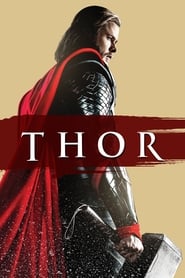
Marvel turns Thor, Odin, Loki, and Asgard into a family drama inside a superhero origin story. Its lasting importance is cultural: for millions of viewers, this became the modern face of Norse mythology.
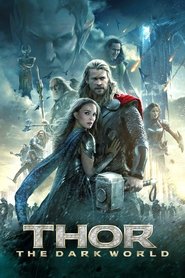
The sequel pushes Marvel's Nine Realms further from medieval myth and deeper into cosmic fantasy, while keeping Thor's family and the vulnerability of Asgard at the center.
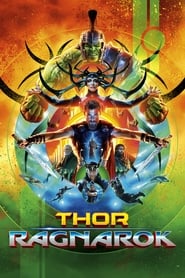
Hela, Fenrir, Asgard's destruction, and Ragnarök are radically rearranged, yet the film preserves the myth's essential movement: an old world must end before anything new can survive.
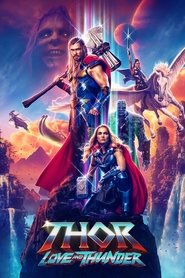
Thor enters a much wider pantheon, but Valhalla and the legacy of Asgard remain important. The film's most useful mythic question is whether gods deserve the faith mortals place in them.
Dragons, vengeance, and war bring glory, but rarely free a hero from fate. · CHAPTER 03 (7 Movies)
Its debt to Beowulf is unmistakable even without a direct adaptation. A foreigner joins northern warriors against an almost legendary enemy, while ritual, burial, and acceptance of death give the adventure its strongest Norse character.
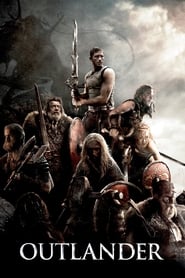
A Muslim ambassador exiled from his homeland joins a group of Vikings, initially offended by their behavior but growing to respect them. As they travel together, they learn of a legendary evil closing in and must unite to confront this formidable force.
Siegfried, Brunhild, Fafnir, and the cursed treasure bring the Volsung and Nibelungen traditions together in a relatively complete modern screen version of Europe's great dragon-slayer legend.
Grendel is given history rather than reduced to a beast. By complicating the boundary between monster and victim, the film turns the heroic legend into a story about inherited violence.
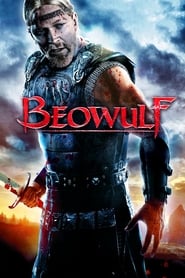
One of the most substantial modern screen versions of Beowulf, retaining Grendel, his mother, and the dragon while making the hero's vanity, desire, and dishonesty part of the legend.
Science fiction drops into a Viking setting and unexpectedly recreates an old heroic pattern: the outsider warrior, the threatened hall, and the monster that must be faced together.
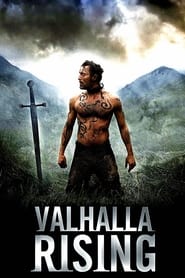
No god needs to appear for pagan belief to shape every image. Violence, sacrifice, death, and an unknown landscape turn Valhalla into less a promised heaven than a state of mind the warrior cannot leave.
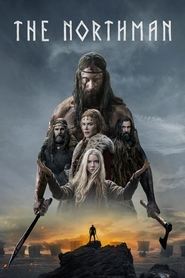
Rooted in the Amleth legend, the film makes Odin, prophecy, Valkyries, ritual, and revenge part of its characters' ordinary understanding of the world rather than decorative mythology.
Prince Amleth is on the verge of becoming a man when his father is brutally murdered by his uncle, who kidnaps the boy's mother. Two decades later, Amleth is now a Viking who's on a mission to save his mother, kill his uncle and avenge his father.
Old creatures remain hidden in forests and mountains until the modern world disturbs them again. · CHAPTER 04 (8 Movies)
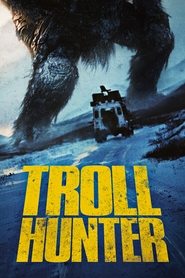
By treating trolls as a hidden part of modern Norwegian wildlife, the mock-documentary format gives old mountain and bridge legends an unexpectedly convincing physical reality.
A group of students investigates a series of mysterious bear killings, but learns that there are much more dangerous things going on. They start to follow a mysterious hunter, learning that he is actually a troll hunter.
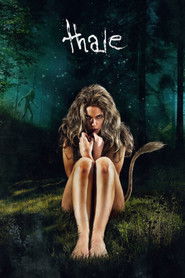
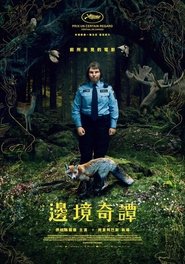
The huldra enters modern life without being reduced to a conventional horror creature. The film brings a less familiar branch of Norwegian forest folklore into the collection.
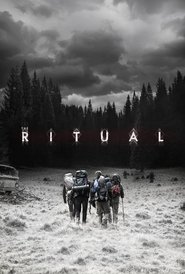
Modern hikers enter a forest where an older belief system has never disappeared. By refusing to explain everything, the film preserves the fear that wilderness may still obey rules older than human settlement.
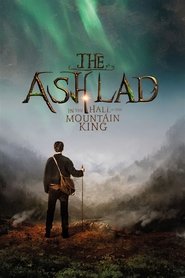
Drawn from Norwegian folktale rather than the Eddas, the film brings trolls, trials, and fairy-tale adventure into a collection otherwise dominated by darker gods and warriors.
Troll folklore is transformed into a modern story about body, identity, and belonging. The creature is no longer something hiding in the mountains but a way of asking who gets to define the human.
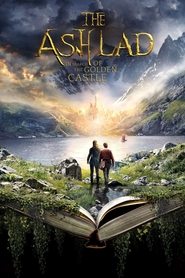
The sequel continues the bright, quest-driven side of Norwegian folklore, preserving the oral-story tradition of impossible tasks, magical places, and strange creatures.
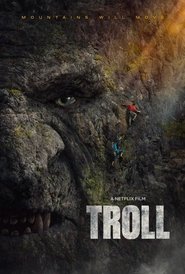
A mountain troll awakened by modern development forces folklore into direct conflict with science and government. The old story becomes frightening again precisely because modern Norway has stopped believing it.
When an explosion in the Norwegian mountains awakens an ancient troll, officials appoint a fearless paleontologist to stop it from wreaking deadly havoc.
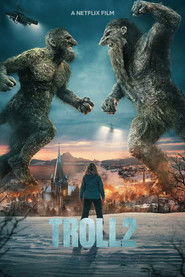
The sequel treats trolls not as a single anomaly but as a folklore that keeps returning from the landscape, extending the modern Norwegian conversation between myth and the present.
When a dangerous new troll unleashes devastation across their homeland, Nora, Andreas and Major Kris embark on their most perilous mission yet.