
Paramount-Warner Bros. $110B Mega-Merger Hits State-Level Wall as 12 Attorneys General File Antitrust Lawsuit
Key Takeaways
- 1California spearheads a 12-state coalition in a formal antitrust suit to block the Paramount-Warner Bros. merger.
- 2The landmark $110 billion transaction previously secured clearance from the U.S. Department of Justice.
- 3The lawsuit's core allegations warn that the merger will eliminate competition, driving up ticket prices and diminishing content quality.
Full Feature & Analysis
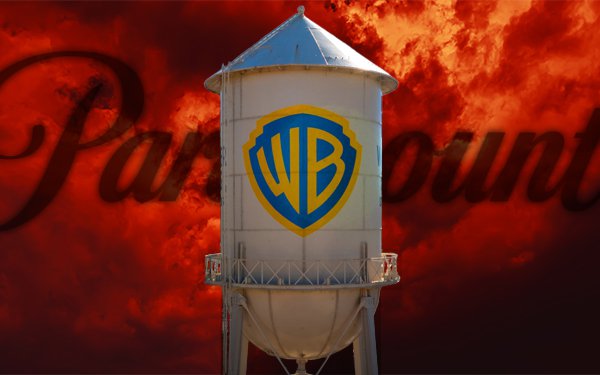
Hollywood is bracing for its most seismic regulatory showdown in recent memory as a coalition of 12 state attorneys general, spearheaded by California, formally filed an antitrust lawsuit in the U.S. District Court for the Northern District of California on Monday to comprehensively halt Paramount-Skydance’s towering $110 billion acquisition of Warner Bros.
The high-stakes consolidation was originally inked in March. Although the U.S. Department of Justice (DOJ) cleared the transaction last month, under U.S. antitrust law, state attorneys general retain independent enforcement authority to challenge corporate mergers, dealing a dramatic cold shower to the megadeal.
In a sprawling complaint, the state AGs sharply contend that the marriage of Paramount and Warner Bros. would entirely eradicate direct competition between the two legacy entertainment powerhouses, inflicting irreversible and substantive harm on domestic theater chains, basic cable distributors, and ultimately, moviegoers and television audiences across the country.
The core allegations emphasize that Paramount and Warner Bros. have historically engaged in aggressive market rivalry in the development, production, and distribution of innovative filmed entertainment for U.S. audiences, while also serving as fierce commercial adversaries in the operation of basic cable networks.
Plaintiffs' counsel warn in the filing that once this hundred-billion-dollar corporate merger is finalized, this invaluable competitive dynamic will be permanently lost. The immediate fallout, they caution, would be escalating end-user prices, a decline in content quality, and a severe contraction of overall consumer choice.
Beyond potential monopolistic risks within the theatrical film business, the state AGs specifically flagged that the combined entity would command control over 50-plus basic cable networks, endowing the company with unmatched pricing leverage and market dominance during carriage negotiations with major distributors.
Confronted with this sudden legal blitz, Paramount fired back swiftly on Monday with a combative statement, publicly accusing the states' lawsuit of fundamentally misconstruing established antitrust legal standards while resting on a willful misunderstanding of the hyper-competitive realities of today's global entertainment landscape.
Paramount reaffirmed that it will marshal every necessary resource to mount a vigorous legal defense of the transaction, aiming to prove to the broader industry that this challenge is fundamentally misaligned with sound competition policy and dangerously detached from the intensely competitive media marketplace of the present day.
Nexus Editorial Context & Industry Outlook
This coordinated 12-state antitrust challenge signals that local regulatory tolerance for horizontal consolidation among traditional Hollywood majors has plummeted to historic lows. While federal antitrust watchdogs previously opted to wave the deal through, the aggressive assertion of state-level authority lays bare deepening societal anxieties over hyper-concentration as legacy studios navigate the brutal crosswinds of the streaming transition and traditional theatrical exhibition. Should this litigation succeed in scuttling the transaction or forcing draconian divestitures, it will not only upend the macro-strategic blueprints of Paramount and Warner Bros. but also establish an exceedingly stringent compliance watermark for media and entertainment M&A activity over the coming years.